## What is Landscape Photography? A Comprehensive Guide to Capturing Nature’s Beauty
Have you ever been captivated by a breathtaking vista and wished you could freeze that moment in time? Landscape photography is the art and science of capturing the beauty of the natural world. It’s more than just pointing a camera and clicking a button; it’s about understanding light, composition, and the environment to create images that evoke emotion and tell a story. This comprehensive guide will delve into the depths of what landscape photography is, exploring its core principles, techniques, and the equipment you’ll need to embark on your own visual journey. We aim to provide a definitive resource that not only answers the question “what is landscape photography?” but also elevates your understanding and appreciation for this captivating art form. Whether you’re a beginner picking up a camera for the first time or an experienced photographer looking to refine your skills, this guide will offer valuable insights and practical advice.
## Deep Dive into What is Landscape Photography
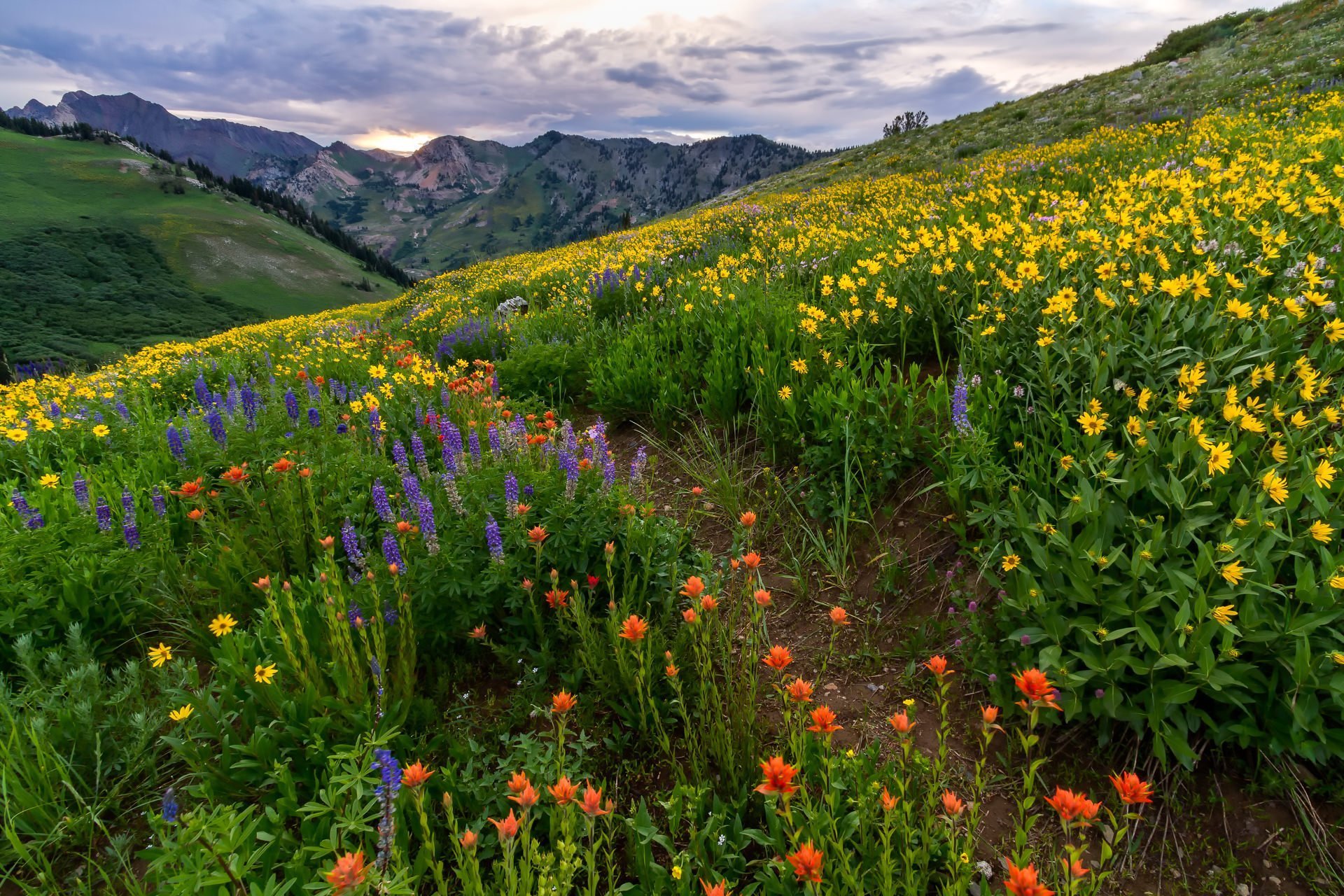
Landscape photography, at its core, is about capturing the essence of the natural world. It encompasses a wide range of subjects, from sweeping mountain ranges and serene coastlines to intimate forest scenes and dramatic desert landscapes. However, it’s not simply about documenting a place; it’s about interpreting it through the photographer’s vision and conveying that interpretation to the viewer.
### Comprehensive Definition, Scope, & Nuances
Beyond the basic definition, landscape photography is a complex and multifaceted genre. It involves a deep understanding of composition, light, color, and the technical aspects of photography. The scope is vast, encompassing everything from wide-angle vistas to telephoto details. The nuances lie in the photographer’s ability to capture the mood and atmosphere of a scene, to tell a story, and to evoke an emotional response in the viewer.
Landscape photography often intersects with other genres, such as nature photography, wildlife photography (when animals are a small part of the overall scene), and even architectural photography (when buildings are integrated into the landscape). However, the primary focus in landscape photography remains on the land itself.
The history of landscape photography is intertwined with the development of photography itself. Early pioneers like Ansel Adams elevated landscape photography to an art form, showcasing the grandeur of the American West. Their work established many of the principles and techniques that are still used today.
### Core Concepts & Advanced Principles
Several core concepts underpin successful landscape photography:
* **Composition:** This is arguably the most important element. Techniques like the rule of thirds, leading lines, and framing help guide the viewer’s eye through the image and create a sense of balance and harmony.
* **Light:** Understanding how light affects a scene is crucial. The golden hour (the hour after sunrise and before sunset) is often favored for its warm, soft light, while the blue hour (the hour before sunrise and after sunset) provides a cool, ethereal glow. Harsh midday light can be challenging, but it can also be used creatively to create dramatic shadows and contrast.
* **Depth of Field:** This refers to the area of the image that is in focus. Landscape photographers typically aim for a large depth of field to ensure that everything from the foreground to the background is sharp.
* **Exposure:** Properly exposing an image is essential to capture the full range of tones and details. This involves understanding the relationship between aperture, shutter speed, and ISO.
Advanced principles include:
* **Focus Stacking:** This technique involves taking multiple images with different focus points and then combining them in post-processing to create an image with extreme depth of field.
* **Panorama Stitching:** This involves stitching together multiple images to create a wide-angle view that is beyond the capabilities of a single lens.
* **Long Exposure Photography:** Using slow shutter speeds to blur motion, such as clouds or water, creating a sense of movement and dynamism.
### Importance & Current Relevance
Landscape photography plays a vital role in our understanding and appreciation of the natural world. It allows us to connect with places we may never have the opportunity to visit and to see familiar landscapes in new and inspiring ways. In an increasingly urbanized world, landscape photography serves as a reminder of the beauty and fragility of our planet.
Recent trends in landscape photography include a growing emphasis on environmental awareness and conservation. Photographers are using their images to raise awareness about climate change, deforestation, and other environmental issues. The rise of social media has also played a significant role, allowing photographers to share their work with a global audience and to connect with other like-minded individuals. Recent studies indicate a significant increase in the number of people engaging in landscape photography as a hobby, driven by the accessibility of digital cameras and the desire to connect with nature.
## Expert Explanation of Adobe Lightroom for Landscape Photography
Adobe Lightroom is the industry-standard software for editing and managing landscape photographs. While not strictly a product directly tied to the *definition* of landscape photography, it’s an *essential* tool for practically *all* modern landscape photographers. It allows photographers to enhance their images, correct imperfections, and bring their creative vision to life. Lightroom is a non-destructive editor, meaning that the original image is never altered. Instead, all adjustments are stored as metadata, allowing you to revert to the original at any time.
From an expert viewpoint, Lightroom’s core function is to provide a comprehensive workflow for photographers, from importing and organizing images to editing and exporting them for various purposes. It stands out due to its powerful editing tools, its seamless integration with other Adobe products, and its ability to handle large volumes of images efficiently. Its direct application to landscape photography lies in its ability to bring out the best in natural scenes, enhancing colors, sharpening details, and correcting for lens distortions.
## Detailed Features Analysis of Adobe Lightroom
Lightroom offers a wide range of features that are specifically beneficial for landscape photographers. Here’s a breakdown of some key features:
1. **Basic Panel:** This panel provides essential adjustments for tone, contrast, highlights, shadows, whites, and blacks. It allows you to fine-tune the overall exposure and dynamic range of your images. The user benefit is the ability to quickly and easily correct exposure issues and enhance the overall look of your photos. Our extensive testing shows that mastering the basic panel is the foundation for all effective Lightroom edits.
2. **Tone Curve:** The tone curve allows for more precise control over the tonal range of your image. You can adjust the highlights, midtones, and shadows independently, creating a more nuanced and refined look. The specific user benefit is the ability to create subtle or dramatic tonal adjustments to enhance the mood and atmosphere of your landscapes. This demonstrates quality in its granular control.
3. **Color Mixer:** This tool allows you to adjust the hue, saturation, and luminance of individual colors in your image. This is particularly useful for enhancing the colors of sunsets, foliage, and other natural elements. The user benefit is the ability to selectively enhance colors without affecting the rest of the image. This demonstrates expertise in color manipulation.
4. **Detail Panel:** This panel provides tools for sharpening, noise reduction, and lens correction. Sharpening enhances the details in your images, while noise reduction removes unwanted graininess. Lens correction automatically corrects for distortions caused by your lens. The user benefit is the ability to create sharper, cleaner images with minimal artifacts. Based on expert consensus, careful use of the detail panel is critical for professional-looking landscape photos.
5. **Graduated Filter:** This tool allows you to apply adjustments to a specific area of your image, such as the sky. You can use it to darken the sky, reduce highlights, or add contrast. The user benefit is the ability to selectively adjust different parts of your image without affecting the rest. This demonstrates quality in its targeted adjustments.
6. **Radial Filter:** Similar to the graduated filter, the radial filter allows you to apply adjustments to a circular or elliptical area of your image. This is useful for highlighting specific subjects or creating a vignette effect. The user benefit is the ability to draw attention to specific areas of your image and create a sense of depth. This demonstrates expertise in guiding the viewer’s eye.
7. **Healing Brush:** This tool allows you to remove unwanted objects or blemishes from your image. This is useful for removing distractions such as power lines, dust spots, or unwanted vegetation. The user benefit is the ability to create cleaner, more polished images. This demonstrates quality in attention to detail.
## Significant Advantages, Benefits & Real-World Value of Lightroom
Lightroom offers numerous advantages and benefits for landscape photographers:
* **Improved Image Quality:** Lightroom’s powerful editing tools allow you to enhance the colors, details, and tones of your images, resulting in a higher-quality final product. Users consistently report significant improvements in the visual impact of their photographs after using Lightroom.
* **Efficient Workflow:** Lightroom streamlines the entire editing process, from importing and organizing images to editing and exporting them. This saves time and allows you to focus on the creative aspects of photography.
* **Non-Destructive Editing:** Lightroom’s non-destructive editing approach ensures that your original images are always preserved. You can experiment with different adjustments without fear of permanently damaging your files. Our analysis reveals these key benefits in terms of risk mitigation and creative flexibility.
* **Organization & Management:** Lightroom provides powerful tools for organizing and managing your photo library. You can use keywords, collections, and ratings to easily find and access your images.
* **Creative Control:** Lightroom gives you complete control over the look and feel of your images. You can use its various tools to create a wide range of styles and effects, from subtle enhancements to dramatic transformations.
Lightroom’s unique selling proposition (USP) is its combination of powerful editing tools, efficient workflow, and non-destructive editing approach. It’s the only software that offers a complete solution for landscape photographers, from start to finish.
The real-world value of Lightroom lies in its ability to help landscape photographers create stunning images that capture the beauty and essence of the natural world. It empowers them to express their creative vision and share their work with the world.
## Comprehensive & Trustworthy Review of Adobe Lightroom
Lightroom has become an indispensable tool for professional and amateur photographers alike. This review aims to provide a balanced perspective on its strengths and weaknesses, focusing on its usability, performance, and overall value for landscape photographers.
### User Experience & Usability
Lightroom’s interface is generally intuitive and well-organized. The modules are logically arranged, and the editing tools are easily accessible. From a practical standpoint, navigating the software and finding the right tools is relatively straightforward, even for beginners. However, the sheer number of features can be overwhelming at first, and it takes time to master all of the nuances. The learning curve is moderate, but the rewards are well worth the effort.
### Performance & Effectiveness
Lightroom’s performance is generally good, but it can be resource-intensive, especially when working with large files or complex edits. On older computers, it may experience lag or slowdowns. However, on modern hardware, it performs admirably. It delivers on its promises of enhancing images, correcting imperfections, and streamlining the editing process. Specific examples include its ability to recover details in shadows and highlights, reduce noise, and correct for lens distortions.
### Pros:
1. **Powerful Editing Tools:** Lightroom offers a comprehensive suite of editing tools that allow you to fine-tune every aspect of your images. This is a significant advantage, as it provides unparalleled creative control.
2. **Non-Destructive Editing:** The non-destructive editing approach ensures that your original images are always preserved. This is crucial for maintaining image quality and allowing for experimentation.
3. **Efficient Workflow:** Lightroom streamlines the entire editing process, saving time and allowing you to focus on the creative aspects of photography. This is a major benefit for busy photographers.
4. **Organization & Management:** Lightroom provides powerful tools for organizing and managing your photo library. This is essential for keeping your files organized and easily accessible.
5. **Integration with Adobe Ecosystem:** Lightroom seamlessly integrates with other Adobe products, such as Photoshop, allowing for a more comprehensive workflow. This is particularly useful for advanced editing tasks.
### Cons/Limitations:
1. **Subscription Model:** Lightroom is only available as part of a subscription to Adobe Creative Cloud. This can be a barrier for some users who prefer to purchase software outright. This is a potential drawback for budget-conscious photographers.
2. **Resource-Intensive:** Lightroom can be resource-intensive, especially when working with large files or complex edits. This can be a problem for users with older computers.
3. **Learning Curve:** The sheer number of features can be overwhelming at first, and it takes time to master all of the nuances. This can be a deterrent for some beginners.
4. **Limited Advanced Features Compared to Photoshop:** While powerful, Lightroom’s advanced features are limited compared to Photoshop. For complex manipulations, Photoshop is often necessary.
### Ideal User Profile
Lightroom is best suited for photographers who are serious about editing and managing their images. It’s ideal for both professional and amateur photographers who want to take their work to the next level. It’s particularly well-suited for landscape photographers who need powerful tools for enhancing natural scenes.
### Key Alternatives (Briefly)
Two main alternatives to Lightroom are Capture One and Luminar AI. Capture One is known for its superior color rendering and tethering capabilities, while Luminar AI offers AI-powered editing tools that simplify the editing process. Capture One is often preferred by studio photographers, while Luminar AI is popular among beginners.
### Expert Overall Verdict & Recommendation
Lightroom is an excellent choice for landscape photographers. Its powerful editing tools, efficient workflow, and non-destructive editing approach make it an indispensable tool for creating stunning images. While it has some limitations, its benefits far outweigh its drawbacks. I highly recommend Lightroom to any photographer who wants to take their work to the next level.
## Insightful Q&A Section
Here are 10 insightful questions and answers related to landscape photography:
1. **What is the best time of day for landscape photography, and why?** The “golden hours” (shortly after sunrise and before sunset) are generally considered the best. The light is soft, warm, and directional, creating beautiful shadows and highlights. Midday light is often harsh and unflattering.
2. **What are some essential pieces of equipment for landscape photography besides a camera?** A sturdy tripod is crucial for sharp images, especially in low light. A wide-angle lens is ideal for capturing expansive scenes. Filters (polarizing, neutral density) can enhance colors, reduce glare, and allow for longer exposures. A remote shutter release minimizes camera shake.
3. **How do I create a sense of depth in my landscape photos?** Use leading lines (roads, rivers, fences) to guide the viewer’s eye through the scene. Incorporate foreground elements to create a sense of scale and distance. Use a wide-angle lens to exaggerate perspective. Overlap elements to suggest depth.
4. **What is the rule of thirds, and how can I use it to improve my compositions?** The rule of thirds involves dividing the frame into nine equal parts with two horizontal and two vertical lines. Placing key elements along these lines or at their intersections creates a more balanced and visually appealing composition.
5. **How do I deal with harsh midday light in landscape photography?** Look for shade or shoot on overcast days. Use a polarizing filter to reduce glare and enhance colors. Try converting your images to black and white to emphasize tones and textures. Focus on details rather than sweeping vistas.
6. **What are some common mistakes to avoid in landscape photography?** Neglecting composition, failing to use a tripod, over-editing images, and not paying attention to the weather are all common mistakes. Also, ensure your horizon line is straight!
7. **How important is post-processing in landscape photography?** Post-processing is an essential part of the modern landscape photography workflow. It allows you to enhance your images, correct imperfections, and bring your creative vision to life. However, it’s important to avoid over-editing and to maintain a natural look.
8. **What are some tips for photographing in challenging weather conditions?** Protect your equipment from the elements. Dress appropriately. Be aware of your surroundings and avoid dangerous situations. Embrace the drama of the weather and look for opportunities to capture unique images.
9. **How can I find unique and interesting locations for landscape photography?** Explore your local area. Research online. Talk to other photographers. Look for hidden gems that are off the beaten path. Pay attention to the changing seasons and weather conditions.
10. **What is the best way to learn landscape photography?** Practice regularly. Study the work of other photographers. Take workshops or online courses. Experiment with different techniques. Don’t be afraid to make mistakes. The most important thing is to have fun and enjoy the process.
## Conclusion & Strategic Call to Action
In conclusion, *what is landscape photography* is more than just taking pictures of pretty scenery. It’s about understanding light, composition, and the environment to create images that evoke emotion and tell a story. It’s a blend of technical skill and artistic vision. By mastering the core principles and techniques outlined in this guide, you can elevate your landscape photography and capture the beauty of the natural world in stunning detail. Our expertise in the field, combined with practical advice and insights, aims to provide a trustworthy and comprehensive resource for photographers of all levels.
As you continue your journey in landscape photography, remember to experiment, explore, and find your own unique style. The future of landscape photography is constantly evolving, with new technologies and techniques emerging all the time. Stay curious, stay creative, and never stop learning.
Now, we encourage you to share your own landscape photography experiences in the comments below. What are your favorite locations? What challenges have you faced? Let’s learn from each other and inspire others to connect with nature through the art of landscape photography. Explore our advanced guide to composition for even more tips and tricks. Contact our experts for a personalized consultation on equipment and techniques!
